Why Digital Payments Make Spending Feel Less Real
By Kato Tam
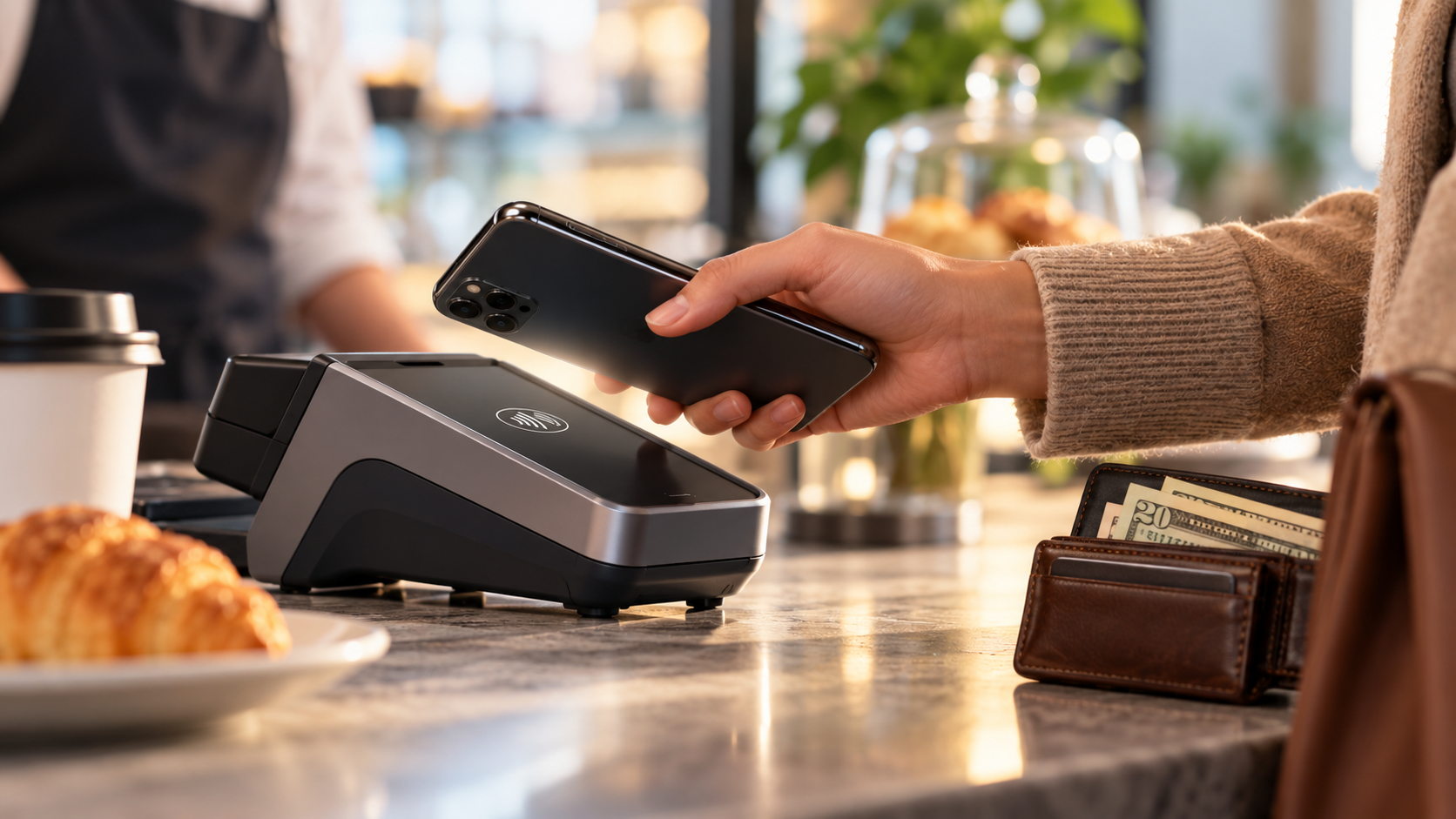
Cash used to make spending painfully obvious. If I walked into a store with forty dollars and left with twelve, I could physically see that I had less money than before. I had to pull bills out of my wallet, hand them to someone, and watch them disappear. There was a small moment of friction built into every purchase.
Digital payments removed almost all of that friction. I can tap a phone, tap a card, click a button online, or let a subscription renew without touching money at all. The transaction happens instantly, and most of the time the only evidence is a notification that disappears a few seconds later.
Money became easier to spend at almost the exact moment it became harder to feel.
That does not mean cash was better in every way. Carrying cash was inconvenient, losing it meant it was probably gone forever, and buying something online was obviously impossible without some kind of electronic payment. Cards and mobile wallets are faster, safer in many situations, and far more practical for the way we live now.
But convenience changes behavior. When I pay with cash, I tend to notice the amount more because I am giving something up in a visible way. When I tap a card, the purchase feels more like completing an action than surrendering money.
That difference becomes even stranger with subscriptions. Streaming services, cloud storage, apps, memberships, software, delivery programs, and dozens of other services can quietly charge the same card every month. I do not make a new spending decision each time because I already made the decision months or even years earlier.
The easiest bill to ignore is the one I never have to physically pay.
Online shopping pushes this even further. A website can save my card, address, preferences, and shipping information until buying something becomes a two-second decision. Is that convenience, or did we simply remove every little moment that used to make us reconsider whether we actually wanted something?
Cash also created natural limits. If I brought sixty dollars to dinner, there was a point where I literally could not spend seventy-five without finding an ATM or using another payment method. Digital payments make those boundaries nearly invisible because my checking account, credit limit, and payment apps are always sitting behind the transaction.
Then credit cards add another layer because the money does not even leave immediately. I can buy something today and deal with the actual payment weeks later, which separates the enjoyment of buying something from the discomfort of paying for it. How different would some purchases feel if we still had to count out the money at the register?
Digital money did not make spending irresponsible, but it made irresponsible spending much easier to hide from ourselves.
I would never give up digital payments and go back to carrying a thick wallet full of cash. The convenience is too useful, especially for travel, online purchases, automatic bills, and everyday errands. But I do think something psychological disappeared when money became numbers moving between screens instead of an object leaving my hand.
Cash made the cost visible. Digital payments made the transaction invisible. The strange part is that the more efficient money becomes, the more effort we may need to put into remembering that it is still real.