The Untimely Death of the Movie Stars
By Kato Tam
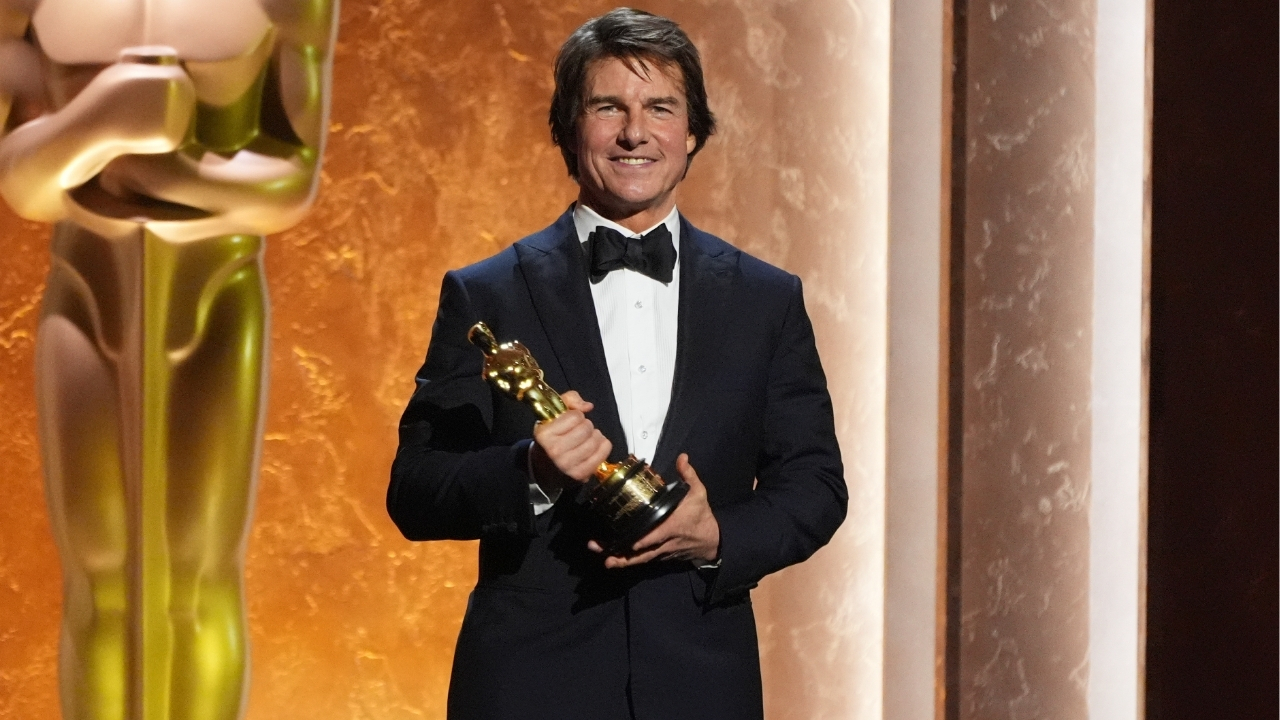
There was a time when people went to the theater because of who was on the movie poster. Tom Cruise. Julia Roberts. Will Smith. Jim Carrey. Arnold Schwarzenegger. Denzel Washington. Their names alone could sell millions of tickets, and it almost didn't matter what the movie was about.
That doesn't seem to be true anymore.
Today, it feels like people are buying tickets for the franchise instead of the actor. Marvel. Star Wars. Avatar. Jurassic World. Audiences have become attached to brands more than the people appearing in them. If a movie is based on something people already know, it has a much better chance of succeeding than an original film led by a famous actor.
I still have favorite actors.
Tom Cruise, Denzel Washington, Ryan Reynolds, and Leonardo DiCaprio usually get my attention because I know they'll give a strong performance. But when I look across Hollywood today, it feels like many actors simply blend together. They're talented, but very few have that larger than life presence where their name alone makes me want to buy a ticket.
Comedy is another interesting example. It feels like we've almost stopped making movies around comedy stars. There was a time when Jim Carrey, Adam Sandler, Eddie Murphy, Ben Stiller, or Will Ferrell could carry an entire film because audiences wanted to spend ninety minutes laughing with them. Today, big theatrical comedies have become surprisingly rare, and superhero films or established franchises have largely taken their place.
Even someone like Dwayne "The Rock" Johnson illustrates how much the industry has changed. He is one of the most recognizable celebrities in the world, yet his biggest successes usually come as part of an ensemble cast or a well known brand. Whether it's *Fast & Furious*, *Jumanji*, *Moana*, or another franchise, the movie often sells the universe first and the actor second.
Tom Cruise feels like the last exception.
When I see his name attached to a movie, I already know what I'm getting. It will probably be ambitious, entertaining, and full of practical stunts that make the experience worth seeing on the biggest screen possible. It isn't just another action movie. It's an event. Very few actors today can still create that feeling.
Streaming has probably accelerated this shift as well. With hundreds of movies available at home, audiences have become much more selective about what deserves a trip to the theater. A famous actor alone often isn't enough anymore. The movie has to promise an experience people can't easily recreate on their couch.
I don't think Hollywood ran out of talented performers. Instead, I think audiences changed what they value. Characters became more important than celebrities. Franchises became more recognizable than faces. Studios discovered that familiar intellectual property carried less financial risk than building a new star from scratch.
What's funny is that television may have gone in the opposite direction. When I hear that certain actors are starring in a new series, I'm immediately interested because I have a pretty good idea of the type of show they're going to deliver. Maybe that's because television gives actors more time to develop memorable characters over several seasons, while movies have become increasingly driven by brands and spectacle.
It's a strange change when you stop and think about it. We still have celebrities, award shows, and red carpets, but somewhere along the way the logo became more famous than the person standing next to it. Maybe the era of the movie star isn't completely over. It just feels like television stars carry more weight today than movie stars do.
These days, you kind of know what you're getting when a TV actor is in a project, and for many people, that actor is enough of a reason to tune in. Good bye, movie star.