Never Trust AI As If Your Life Depended On It
By Kato Tam
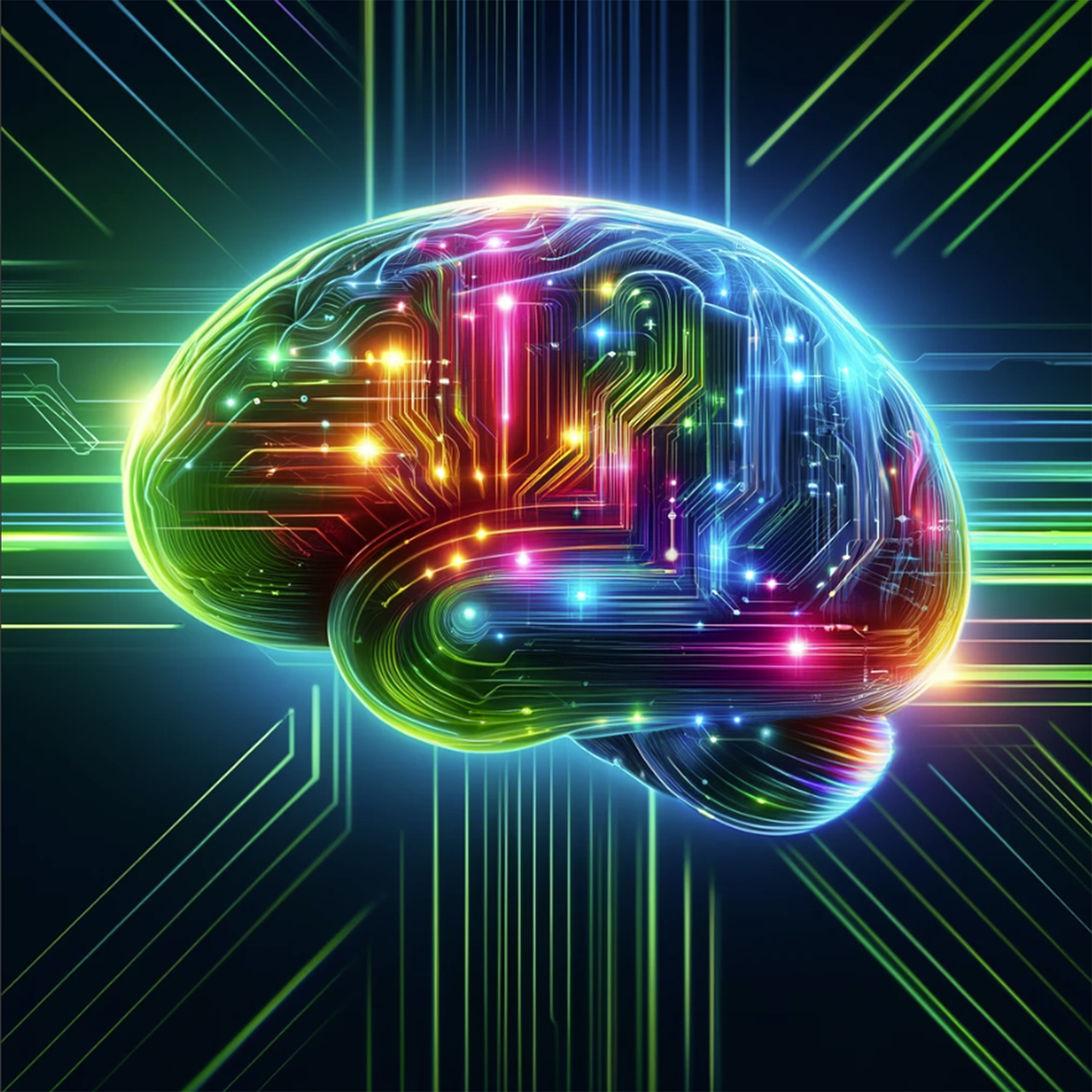
Artificial intelligence has become one of the most impressive technologies I have ever used. It can summarize books, write code, explain complicated ideas, brainstorm business strategies, and answer questions in seconds that would have taken me hours to research on my own. I use AI almost every day because it genuinely makes me more productive, and I have no doubt that it will continue changing the way we work over the next decade. Despite all of that, there is one rule I refuse to break. I never fully trust anything AI tells me until I have verified it myself.
The reason is surprisingly simple.
Accuracy is the single most important quality of information, and AI still cannot consistently guarantee it.
I have watched AI confidently provide answers that sounded completely believable but turned out to be partially wrong, missing important context, or entirely fabricated. Sometimes it cites facts that never happened. Other times it misunderstands a question or fills in gaps by making educated guesses that read like absolute certainty. The frightening part is not that it makes mistakes. Humans make mistakes too. The frightening part is that AI often presents those mistakes with complete confidence, leaving users with little indication that anything is wrong.
Also, people are stupid and tend to believe things.
The first reason I never completely trust AI is that it is designed to produce answers, not necessarily truth. When I ask a question, the model attempts to generate the most plausible response based on patterns it has learned. That is a very different objective from proving every statement is accurate. Most of the time those two goals overlap, but when they do not, the difference becomes critically important. An answer that sounds convincing is not automatically an answer that is correct.
Which makes the human brain still the best computing machine because… it can think with context in relation to a billion other changing variables.
As AI becomes easier to use, people may become less likely to verify what it tells them, especially when the response sounds polished and authoritative. It bewilders me how people can be so smart and so stupid at the same time. I guess we can't trust other people either!
The second reason I remain cautious is that mistakes become more dangerous as people place greater trust in the technology. Asking AI for movie recommendations carries very little risk if one suggestion turns out to be disappointing. Asking AI about taxes, contracts, medical concerns, financial decisions, or legal matters is entirely different because a small error can produce very real consequences. The higher the stakes become, the more important independent verification becomes.
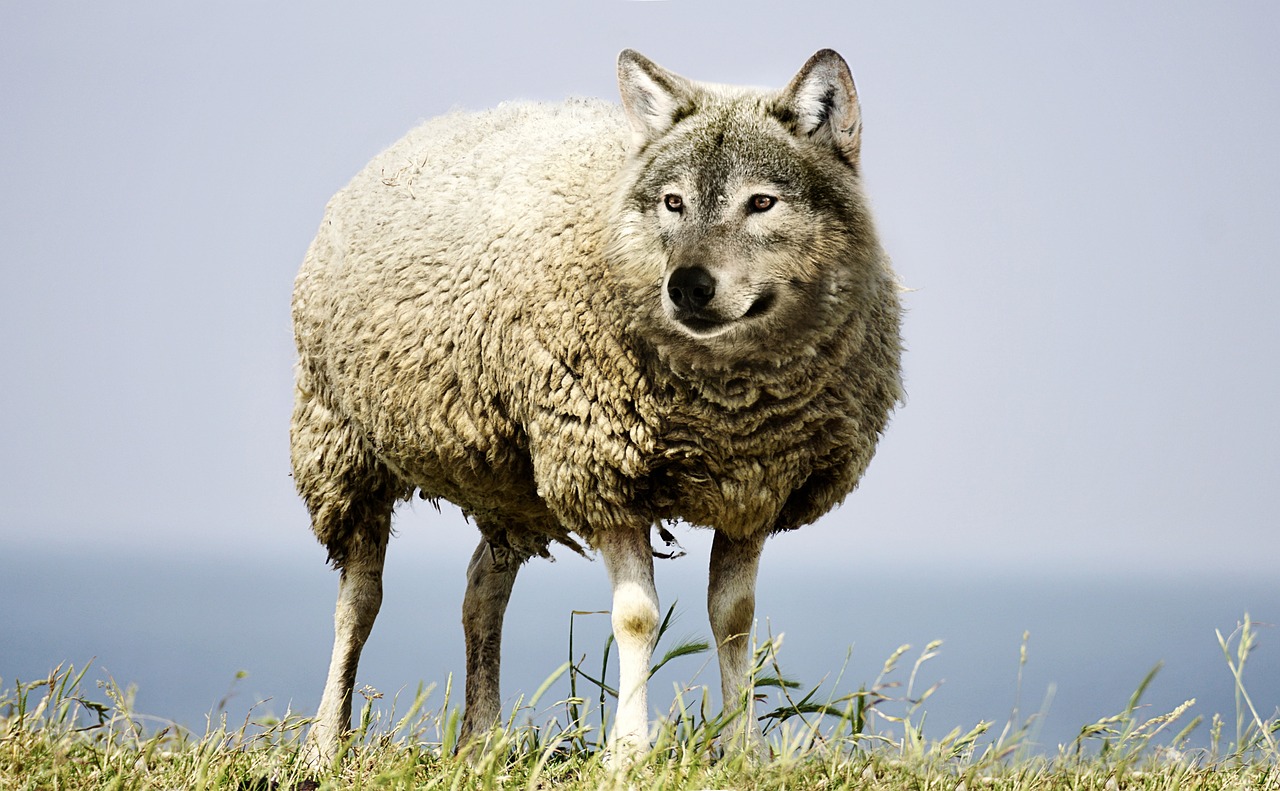
I think AI works best when I treat it like an exceptionally fast research assistant rather than an unquestionable expert. It helps me organize ideas, identify starting points, summarize large amounts of information, and expose me to perspectives I may not have considered. After that, however, I still believe the responsibility belongs to me to determine whether the information is actually correct. AI should accelerate my thinking, not replace it.
The third reason I refuse to blindly trust AI is that it has no personal accountability. If an AI gives me incorrect financial advice that costs me thousands of dollars, the responsibility ultimately falls on me because I chose to act on that information. The same principle applies to health decisions, legal advice, and major life choices. AI does not bear the consequences of its mistakes. The user does.
That reality changes how I think about every answer I receive.
Instead of asking whether AI is smart enough to replace my judgment, I ask whether I have done enough to verify its conclusions before relying on them.
The fourth reason for caution is that AI continues improving at an extraordinary pace. Every new generation becomes more capable, more natural, and more convincing than the last. Ironically, that makes verification even more important because the better AI becomes at sounding human, the easier it becomes to overlook the rare moments when it is confidently wrong. Trusting technology simply because it appears intelligent has never been a good strategy, regardless of the technology involved.
Finally, I think it is healthy to remember that every revolutionary technology arrives with promises as well as uncertainty. The internet transformed communication but also created misinformation on an unprecedented scale. Social media connected billions of people while introducing entirely new challenges that few predicted. AI will almost certainly produce remarkable innovations over the coming decades, but it will also create problems that we have not fully imagined yet. Whether those problems involve misinformation, fraud, job displacement, or something entirely unexpected, I suspect society will spend years learning how to adapt.
You know what they say, change never stops. Therefore, problems never stop.
However, I am optimistic about artificial intelligence because I already see how much it improves my productivity, and I expect that impact to grow. At the same time, optimism should never replace critical thinking. I will continue using AI because it is one of the most useful tools I have ever had, but I will also continue verifying important information because no matter how advanced the technology becomes, accuracy remains the foundation of every good decision. Use AI as often as you like, but never let convenience convince you to stop thinking for yourself.
I will also say that the most consistent thing AI will do for me (and everyone else) is make me frustrated. You can definitely count on it!